Saturday, August 20, 2016

Yosemite Chronicles: Seven Weeks of Hiking

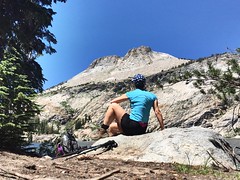
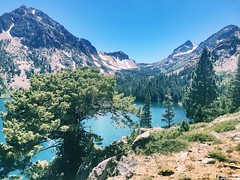
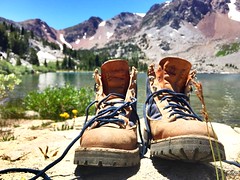
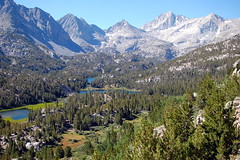
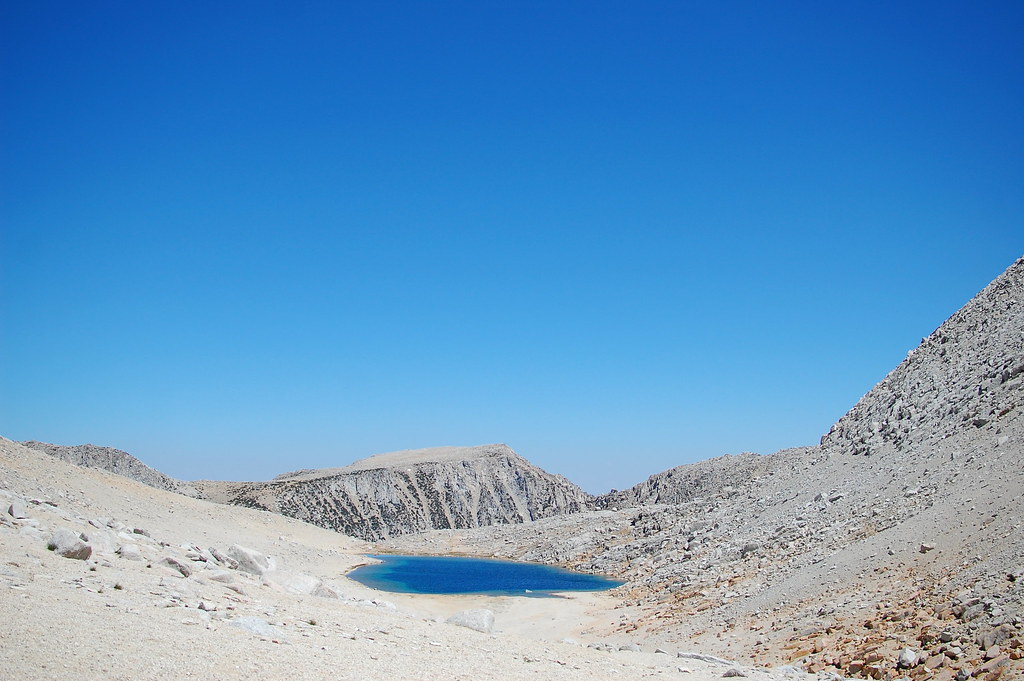
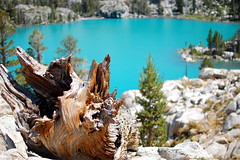
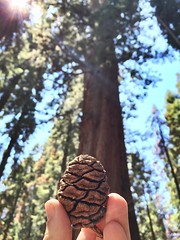
The question I’m most often asked by those I meet on my trip is, “What hike was your favorite, so far?” How can I choose a favorite trail? Some have amazing views. Some have historical interest. Some were bursting with wildflowers. Some were blissfully devoid of other hikers. I can’t choose. I can only list those I’ve done, so far.

Yosemite National Park
Rancheria Falls: 12.7 miles, 2568 feet elevation gain
Poopenaut Valley: 2.2+ miles, 1263 feet elevation gain
May Lake: 2.4 miles, 501 feet elevation gain


Mono Basin National Forest Scenic Area
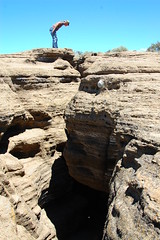
Black Point Fissures: 3.43 miles, 400 feet elevation gain


Hoover Wilderness
Virginia Lakes: 5-6 miles, 400 feet elevation gain
Lundy Canyon: 9.7 miles, 2000 feet elevation gain
West Lake: 9.43 miles, 2160 feet elevation gain
Oneida Lake: 8.45 miles, 1600 feet elevation gain
McMillan Lake: 8.8 miles, 960 feet elevation gain
Anna Lake: 13 miles, 2240 feet elevation gain


John Muir Wilderness
Little McGee Lake: 16.77 miles, 3000ish feet elevation gain
Upper Morgan Lake and Gem Lakes and Chickenfoot Lake: 10 miles, 1000ish feet elevation gain
Kearsarge Pass and Big Pothole Lake: 11+ miles, 2623+ feet elevation gain
1st, 2nd, and 3rd Lakes, 11.3 miles, 2000 feet elevation gain
Summit Lake via Mono Pass and Ruby Lake: 10.75 miles, 2116 feet elevation gain
Tamarack Lakes: 9.4 miles, 2303 feet elevation gain


Ancient Bristlecone Forest
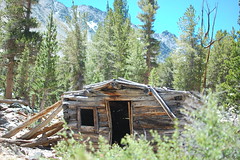
Mexican Mine and Methusulah Trail: 5.6 miles, 826 feet elevation gain


Sequoia National Park
Muir Grove: 4 miles, 541 feet elevation gain


Kings Canyon National Park
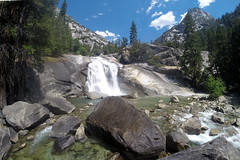
Mist Falls: 9.21 miles, 800 feet elevation gain


Death Valley National Park
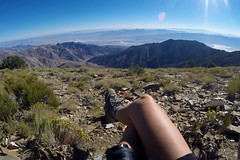
Wild Rose Peak: 8.3 miles, 2473 feet elevation gain


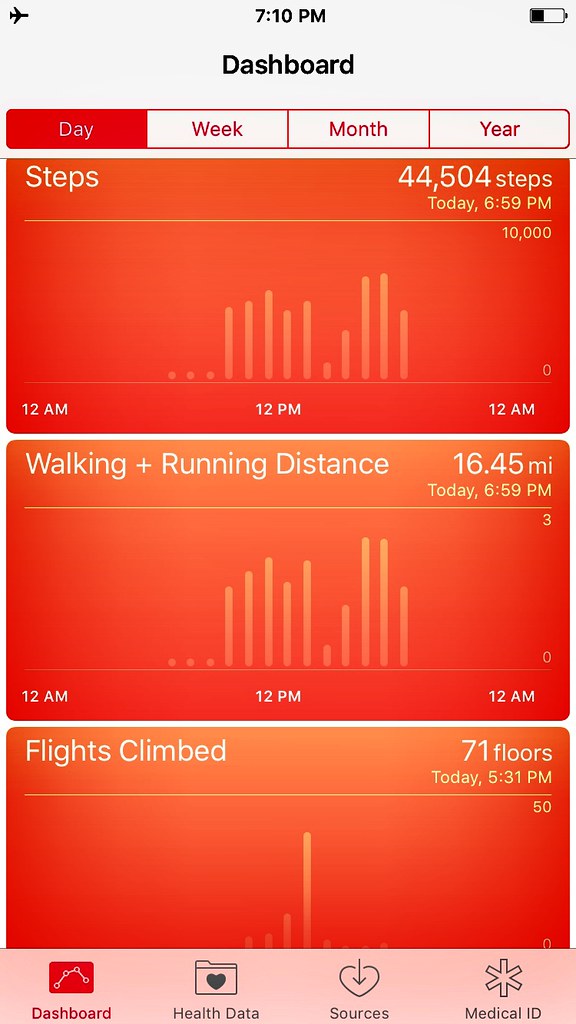
That’s over 172 miles hiked and 31,774 feet climbed. I’m saving a number of the Yosemite hikes for September, once the tourist traffic dies down. Expect me to add many more hikes to the list!

Follow along on Instagram @kasmirakit #yosemitechronicles

Tuesday, August 16, 2016

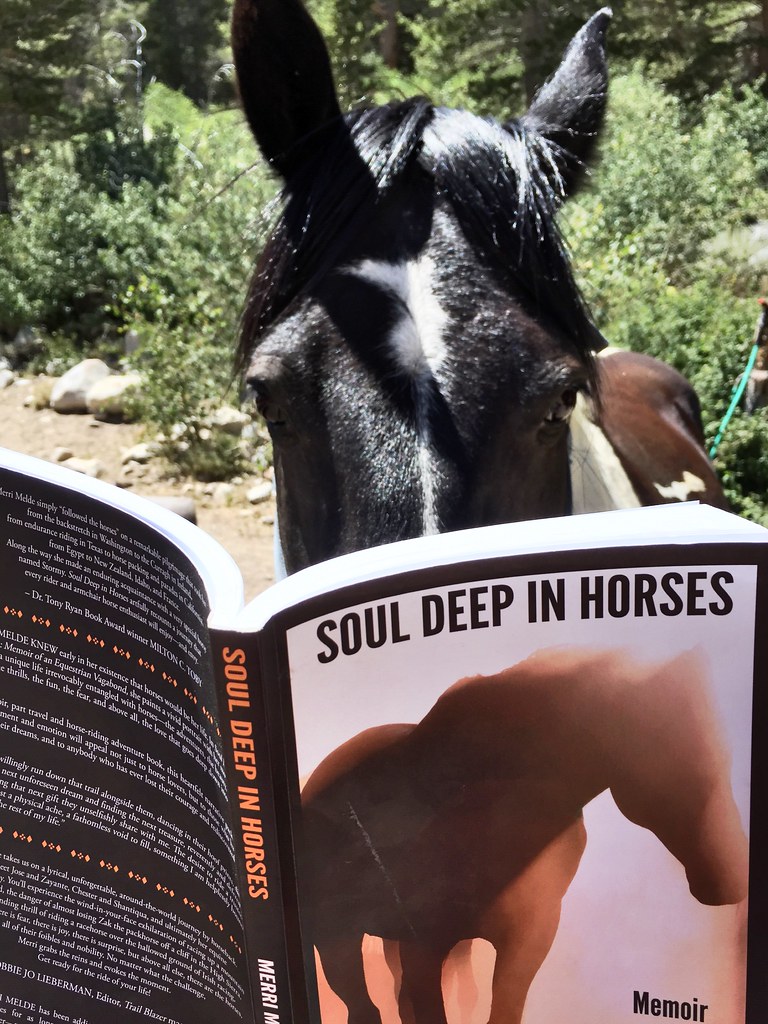
Yosemite Chronicles: I read Soul Deep in Horses


I met Merri fresh from the Seattle racetracks. She was lean and incredibly strong from tossing bales, hauling water, brushing horses, and whatever else grooms do at the horse track. (Obviously, I’m not a horsey person. But Merri is.) She put those muscles to work on our Humboldt-Toiyabe trail crew and left me in awe of her strength and endurance. While her body worked the trail, though, her eyes always lingered on the horses. Horses were her past and they would be her future.

Our former boss gave me a copy of Merri’s book, Soul Deep in Horses. Since I’d left trail crew, eighteen years ago, he told me she had gone on to work with pack stock and was now doing some sort of endurance racing. I was surprised that she continued working with horses, because I also knew of a nearly life-ending injury she’d sustained (kick to the face) from her beloved horses during the intervening years.

Knowing of her racing background and present, I was hesitant to read the book. I was impressed with the glamour of her racetrack job eighteen years ago, but I’d learned the harsh realities of racing more recently. Beneath the glitz of glossy muscles, fancy hats, and mint juleps, lies outright animal abuse. How could my horse-loving friend have returned to such cruelty?

It turns out that I should have had more faith in Merri. Her book hopscotches through time and across continents to follow her own, beautiful arc. She goes from a girl who knew all the winners of the Triple Crown to a racehorse groom yearning to overcome her fear of galloping in order to become an exercise rider to an international traveler learning the harsh realities of Irish jump racing to a nervous horse-packer in the Sierra Nevada. She leaves working horses behind to simply enjoy riding in Egypt, Zimbabwe, and New Zealand. I cheered for her as she conquered her fear of galloping and found a new passion: endurance racing. (The book is not in chronological order, so I may have the order of events a bit out of line.)

Unlike traditional, track racing, endurance racing is a humane sport emphasizing the bond between rider and horse. Teams complete trail rides of 50 or 100 miles with frequent vet checks and breaks for rest, food and water. The motto of the American Endurance Ride Conference is “to finish is to win.” By Merri’s account, endurance racing is an excuse to get away from it all and spend some time in the wilderness with your horse buddy. The “race” is incidental.

I’m so happy for my friend to have found her horsey groove. I got to know her better through her engaging writing and fantastic stories. The title of her book is Soul Deep in Horses, but it’s Merri’s heart that shines in this collection of essays.

Melde, M. (2014). Soul Deep in Horses: Memoir of an equestrian vagabond. Murphy, ID: The Equestrian Vagabond.

Friday, August 12, 2016

Yosemite Chronicles: Frequently Asked Questions


Town clothes

What are you wearing?
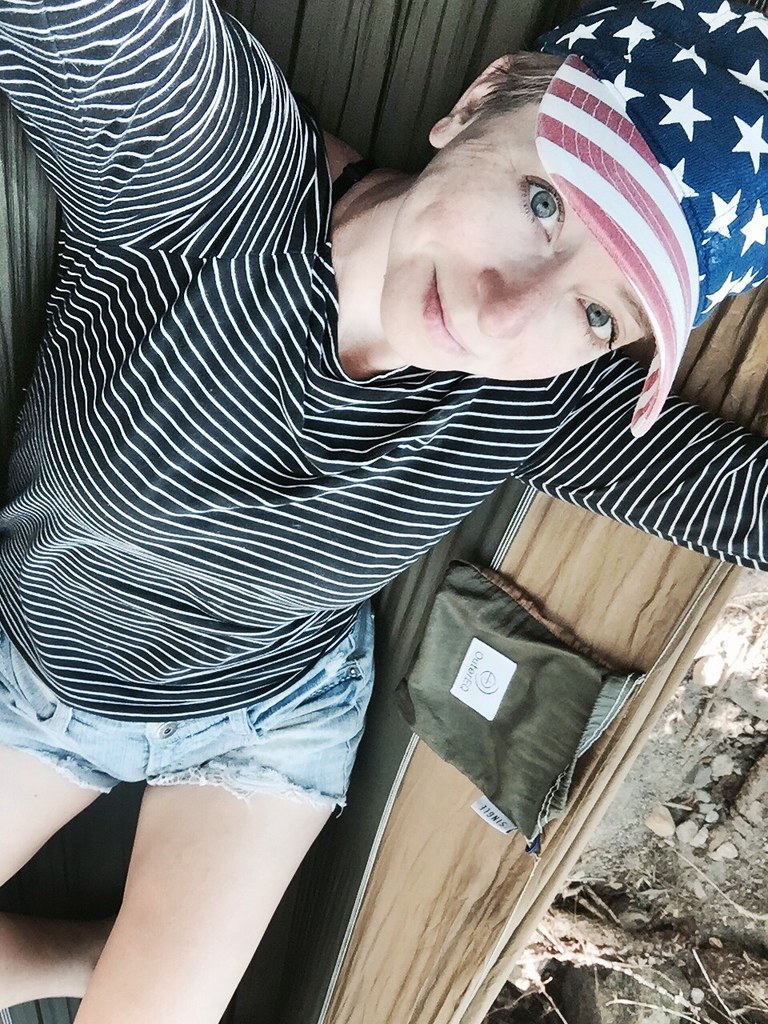
I’m mostly wearing athletic gear and loungewear. I do have some “town” clothes: denim shorts and skirt, a few tees, a long skirt, a chambray shirt, a scarf, and cowboy boots. Believe me, you’re not missing anything (except my incredibly obnoxious American flag hat).


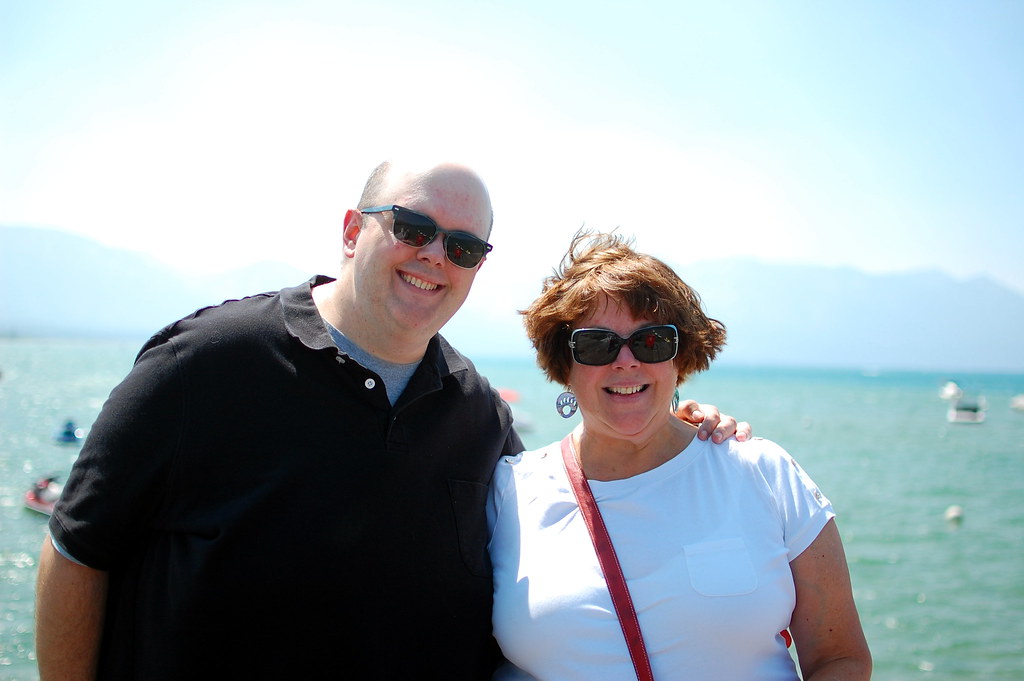
A visit from Beefy AND his mom at Lake Tahoe

Where’s Beefy?
I left my job to take this trip. Beefy did not leave his! He’s in Sacramento, working and taking care of our animals and my plant collection. We are meeting for weekends a few times this summer.


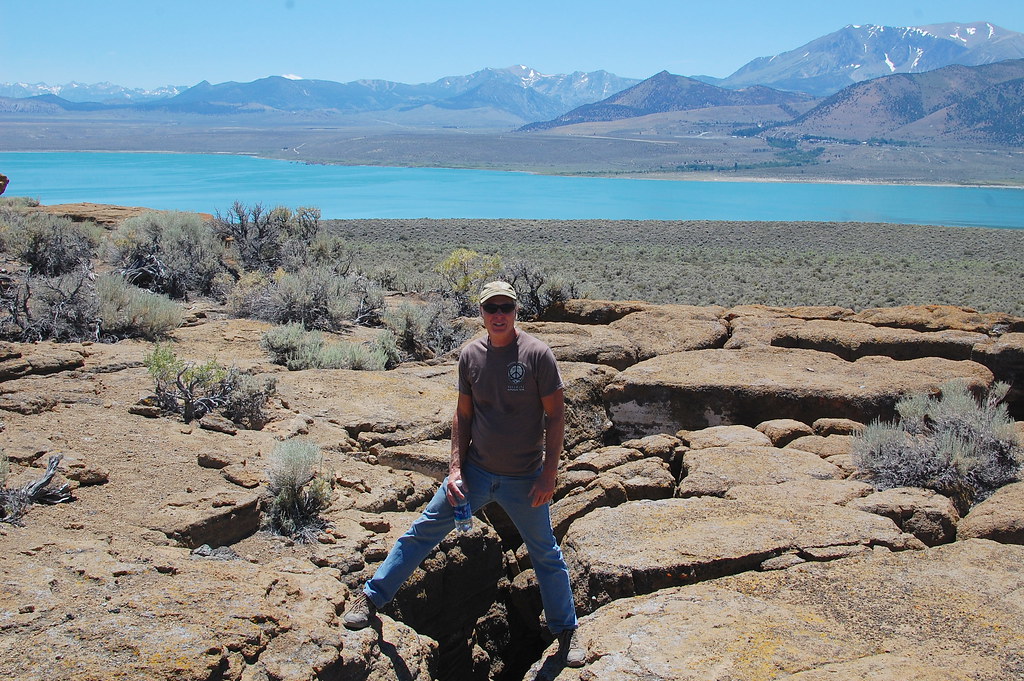
My Bridgeport friend, Mark

Are you alone?
Yes. I’m an introvert and love alone time! I am not always, alone, though. I get Beefy visits and have a friend in Bridgeport. I have also made friends on the journey.


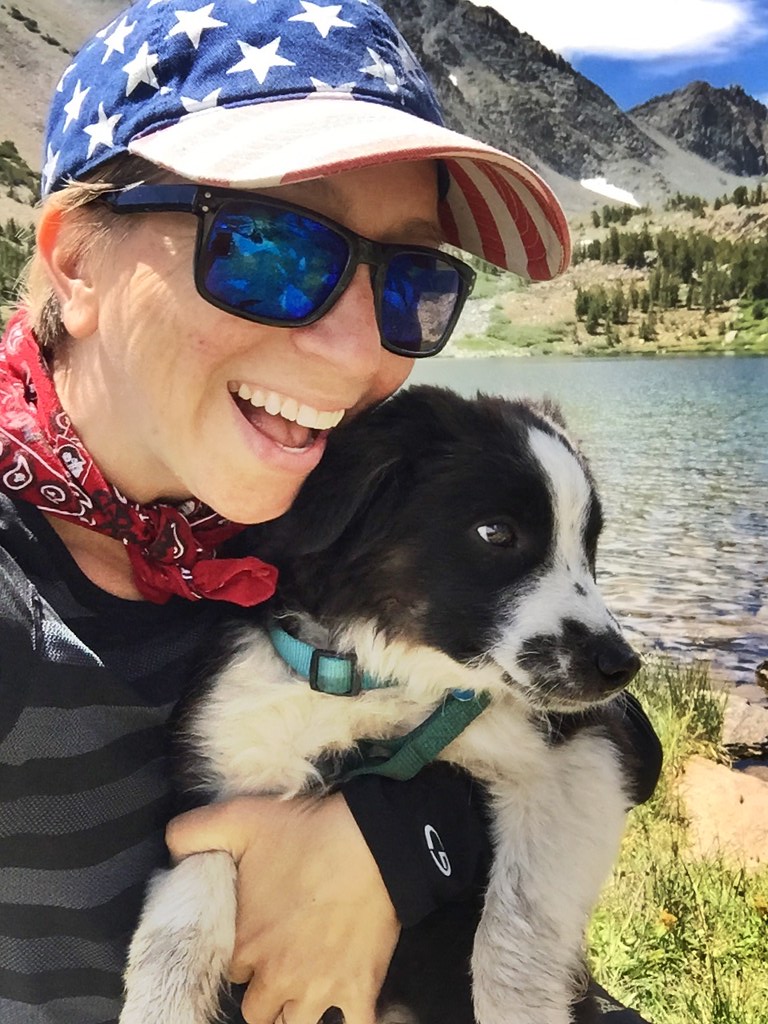
I wanted to eat this puppy

What about the dogs?
Because I’m hiking in national parks, the dogs had to stay at home. Most parks don’t allow dogs out of the parking lots/campgrounds or off the paved road, if they are allowed at all. I manage to get an almost daily “dog fix” from other people’s dogs, so I don’t miss my own as much.

Are you sick? Dying? Pregnant? Suicidal?
Yes, I’ve been asked all of these things. No, no, no, and no. You know how sometimes you need to take a “well day” from work instead of a “sick day?” Think of this trip like an extended “well day” from everyday life.

How long are you hiking?
My trip is 13 weeks long. As of this posting, I’ve just finished week 6!


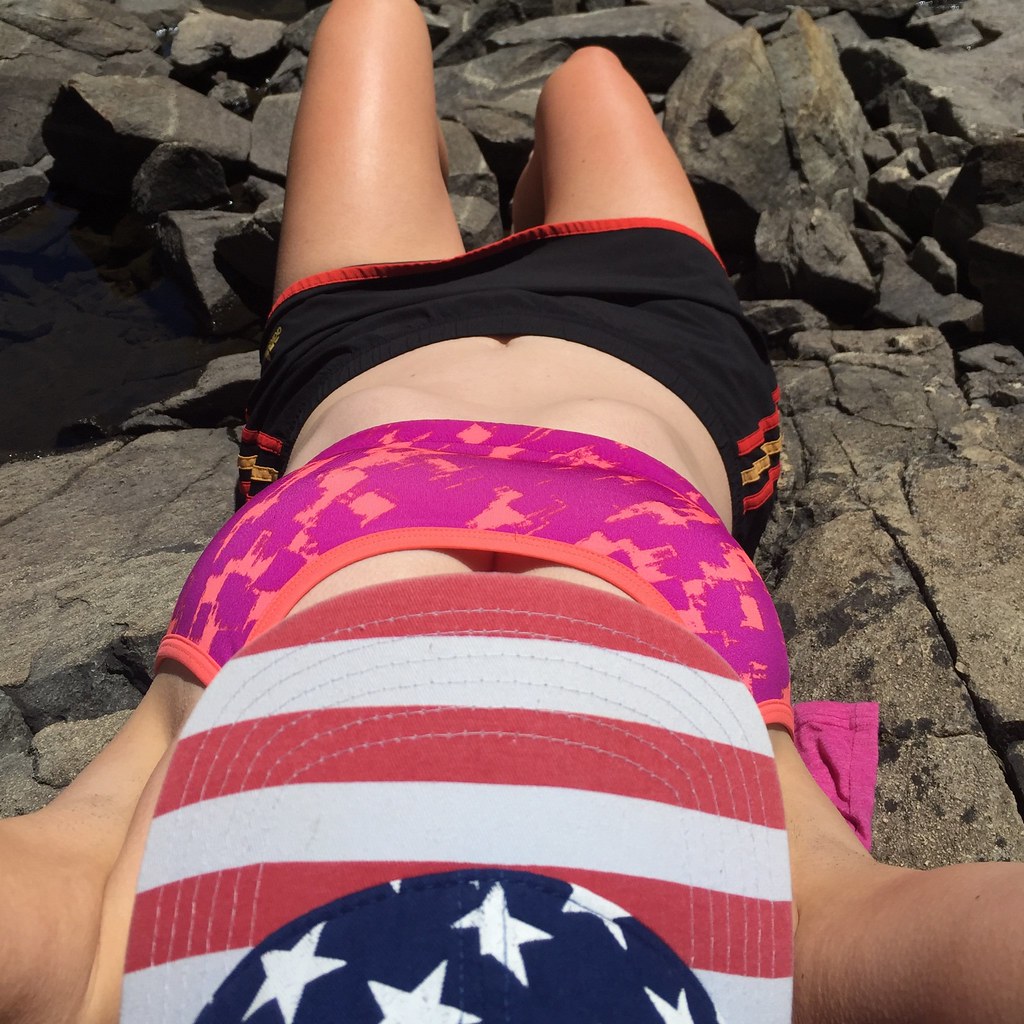
Drying off after a dip in West Lake

Do you swim naked?
Not yet. Back in my park and forest service days, I always swam in the nude. I guess I’ve gotten a bit prudish in my old age. I’m usually wearing quick-drying gear so I swim in my sports bra and shorts or skirt.

How do you charge your phone?
I charge it in my car or with a solar battery. Because I’m usually out of cell service range, I leave it in airplane mode to conserve battery. I have found that when nighttime temps are below 50, it’s best to sleep with the phone inside my sleeping bag or the battery shuts down. (According to my research, it shouldn’t do that unless the temps are below freezing. I think my battery is defective.)


16-mile day hike

Are you day hiking or backpacking?
I’m day hiking. I prefer to day hike 20 miles with a 10-lb pack and come back to all the comforts of my camp rather than backpack 5 miles with a 30-lb pack, eat a crappy, dehydrated dinner cooked over a tiny, tippy stove, and miss my books and hammock (and booze). I may do an overnight trip or two, once I’ve reached peak stamina. And maybe not.

Got a question? Leave a comment and I’ll get back to you.

Follow along on Instagram @kasmirakit #yosemitechronicles

Monday, August 08, 2016

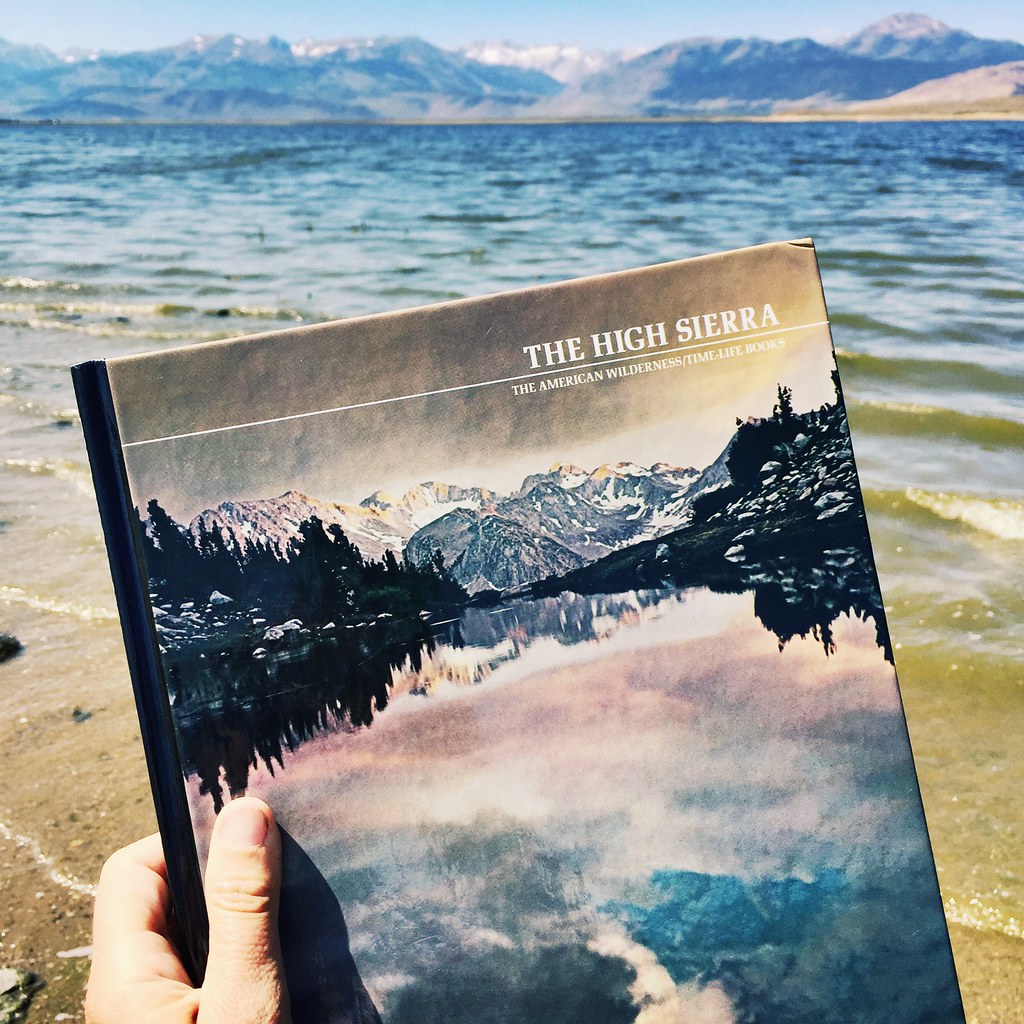
Yosemite Chronicles: I read The High Sierra


I’ve always thought Time-Life books were something to page through, bored, at my Grandma’s house while she watched Perry Mason. I’d flip through the pages, looking at the photos, but never, ever reading the text. In fact, I thought those books were all pictures and captions. Until reading (yes, reading) The High Sierra, I didn’t realize there was more to the books than pretty pictures.

Not only does the book have text, it’s good text. I’m not sure why I was so surprised by the quality of the writing, but I was. Ezra Bowen pulls the reader into his mounted Sierran journeys with keen observations, crisp descriptions, and a little of that cowboy attitude. I appreciate the history and naturalist text, but it’s Bowen’s opinions that entertained me most. He comes across as a crotchety old man complaining about how his wilderness is being taken over by dirty hippies with backpacks and lazy people in cars. I found myself nodding along, especially when I was visiting some of the more crowded areas. Bowen writes:
...most of the sightseers, lured to the area by its reputation and by its relative convenience to heavily populated metropolitan areas of California, arrive to experience only a brief and superficial encounter with the beauty of Yosemite. There are still a few such as the visitor who was heard to snarl at her husband, “Now I don’t want to hear NOTHIN’ about flora, fauna, or geology, understand?”
Written in 1972, the issues he grouses about are the same that plague the area today: overuse and development. Purists complain that the wildernesses are “too available.” Conflict between horse and hiker use continues. “Is a park a natural museum or a natural resort?” Reflecting on my own visits this summer to Yosemite and Sequoia, I’m starting to favor a daily car entry quota for the more popular parks.

Some of the conflicts have been lost to history. For instance, who knew that Walt Disney Productions planned to build a ski and summer resort in the Mineral King Valley that would have included a multilane access road through part of the Sequoia National Park? (The current highway though the park, The Generals Highway, is two lanes and steep and winding.) The Sierra Club blocked the development long enough for the area to be added to national park status, ending the plan.

Although the book is now 44 years old, I found it a good companion for my summer. As expected, I saw pretty pictures and learned a little about Sierra science and history. As not expected, I was prompted to contemplate the politics of the region. In the end, it left me hopeful. Currently, more of the Sierra is protected in wilderness status than shown in the 1972 map. Wildlife is rebounding. New restrictions and limits on use protect sensitive and popular areas. We are successfully being kept from “loving our wilderness to death.”

Next time you’re at your Grandma’s, don’t just flip through the pages of her Time-Life Books collection; pause to read a little. You might be surprised at what you find.

Bowen, E. (1972). The High Sierra. New York, NY: Time-Life Books.

Friday, August 05, 2016

Yosemite Chronicles: Daily Routine

You’d think that days spent hiking and camping alone would be full of long, boring stretches with nothing to do. Not so! I find the days are flying by. This is a typical day:

5:30 am
Wake
Dream journal
Coffee and Larabar
Morning pages (3 pages of stream-of-consciousness writing)
Run (2 miles)
Pushups
Abdominal exercises
Yoga
Breakfast
Hike (and lunch)
Journal and read
Dinner
Meditation
Journal and read
Sleep
9:30 pm

The only time I find myself at odds is before bed, when I’m too tired to read or write but not tired enough to sleep and too bored just to lie in my hammock. If I were at home, this is the time when I’d mindlessly scroll the internet or watch Netflix. Neither activities are an option without cell coverage. Instead I either go for a walk or listen to a podcast.

Even though I’m on “vacation,” I like having a structure to my days. It makes me feel productive and keeps me from doing nothing but getting drunk in my hammock (although that has happened).


Follow along on Instagram @kasmirakit #yosemitechronicles

Tuesday, August 02, 2016

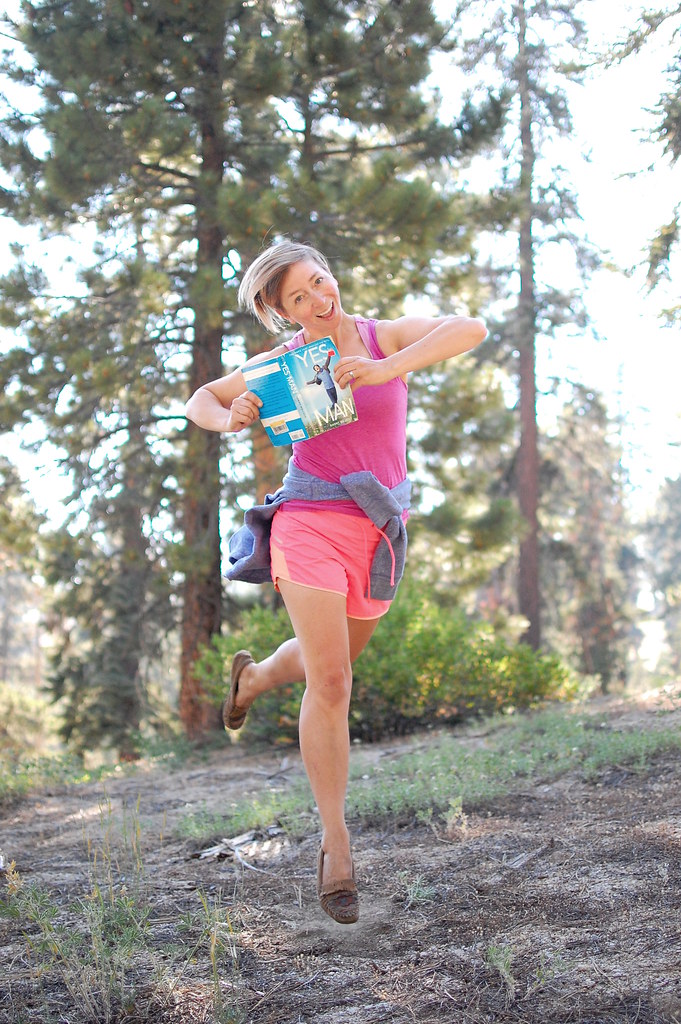
Yosemite Chronicles: I read Yes Man


I don’t know how often you can say that a Jim Carrey movie changed your life, but that’s how I feel about Yes Man. It didn’t have that impact right away. When I first saw the movie, I laughed at Jim Carrey’s typical physical silliness and longed after Zooey Deschanel’s quirkiness, but subsequently dismissed the movie from my mind. It wasn’t until I began my 40 B4 40 project that the movie’s message returned to my consciousness: say yes!

I was a few months into my project and my yeses when I heard the quote “life begins at the end of your comfort zone” (Neale Donald Walsch). This rang so true. Sometimes my 40 B4 40 adventures were outside my comfort zone and sometimes they led to other experiences outside my comfort zone, but the discomfort was always worth it. I felt more engaged with life. This reminded me of Yes Man and I rewatched the movie, enjoying it as more of a philosophical statement. It reaffirmed my commitment to the project and saying yes more.

I’ve certainly stepped outside of my comfort zone this summer: saying yes to quitting my job and three months of wilderness. As I selected reading material for my trip, I found a copy of Yes Man (the book that inspired the movie) at the thrift store and said yes to adding it to my stack.

Upon reading it, I was surprised to learn how loosely the movie plot is tied to the book. Despite the differences, though, the message is the same: move beyond your comfort zone. I was three-quarters finished with the book when I realized that the narrator’s name is the same as the author’s. Wait? What? Was this not a fiction book? Nope. The story of Yes Man is true as told by Danny Wallace. This made it all the more powerful and relatable.

Some of my favorite lessons from Yes Man:

On saying yes: “It [has] the power to to change lives and set people free . . . It [has] the power of adventure. Sometimes the little opportunities that fly at us every day can have the biggest impact.”

On saying no: “Some people go through their whole lives saying yes over and over again - yes to things that allow other people to take advantage of them . . . Some people need to learn how to say no. Because every time they say yes, they say no to themselves.”

On fear: “People sometimes go through their lives having fears . . . People are always saying no to things, aren’t they? They’re frightened of change, used to routine, used to doing things a certain way. . . They don’t realise they’re putting a real limitation on their lives.”

On change: “When you think about it, probably some of the best things that have ever happened to you in life happened because you said yes to something. Otherwise things just sort of stay the same.”

On control: “[Let] your Yes moments lead the way. Because actually we don’t even have control in the first place. It’s a myth. In life absolutely anything can happen.”

On coincidence: “Coincidence does not exist! . . . The world knows what it is doing . . . There are connections everywhere. Sometimes we are brought to certain points and we do not know why.”

My 40 B4 40 project ended last November and I fell out of the yes habit as I prepared to leave my job and planned this summer sabbatical. Sometimes, you need to say no in order to focus on a goal. But that’s got to be balanced with some spontaneous yeses, and reading Yes Man reminded me that this is the time to “say yes more.”

Wallace, D. (2005). Yes Man. New York, NY: Simon Spotlight Entertainment.

Friday, July 29, 2016

Yosemite Chronicles: Logistics

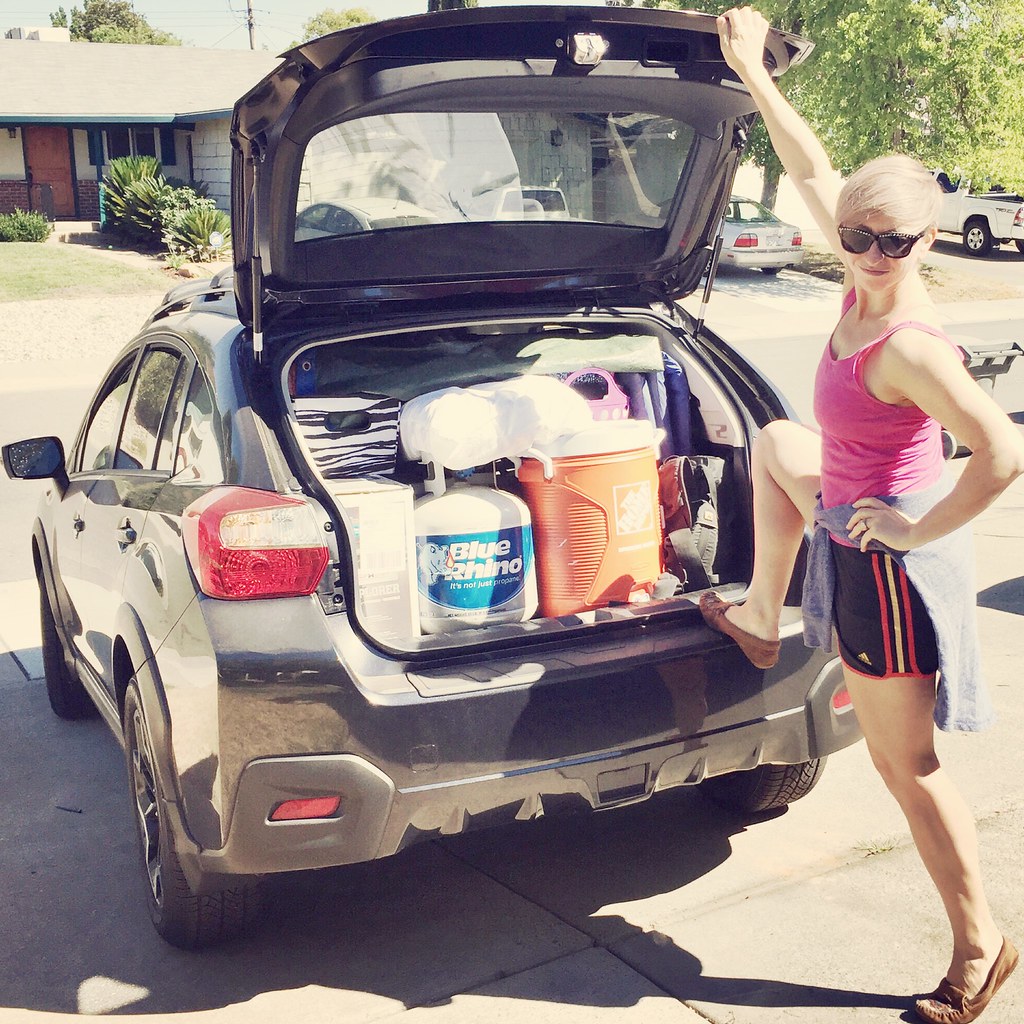
When I explained my summer project to people, they mostly conjured up images of Wild: a lone, overloaded, backpacker trekking through the Sierra backcountry. I’m not as hardcore as Cheryl Strayed. I’d be lucky to do 5 miles a day with a fully loaded backpack. Add my reading list for the summer and I’d need two Monsters. Instead, I’m doing things the American way: in my car!

Transportation


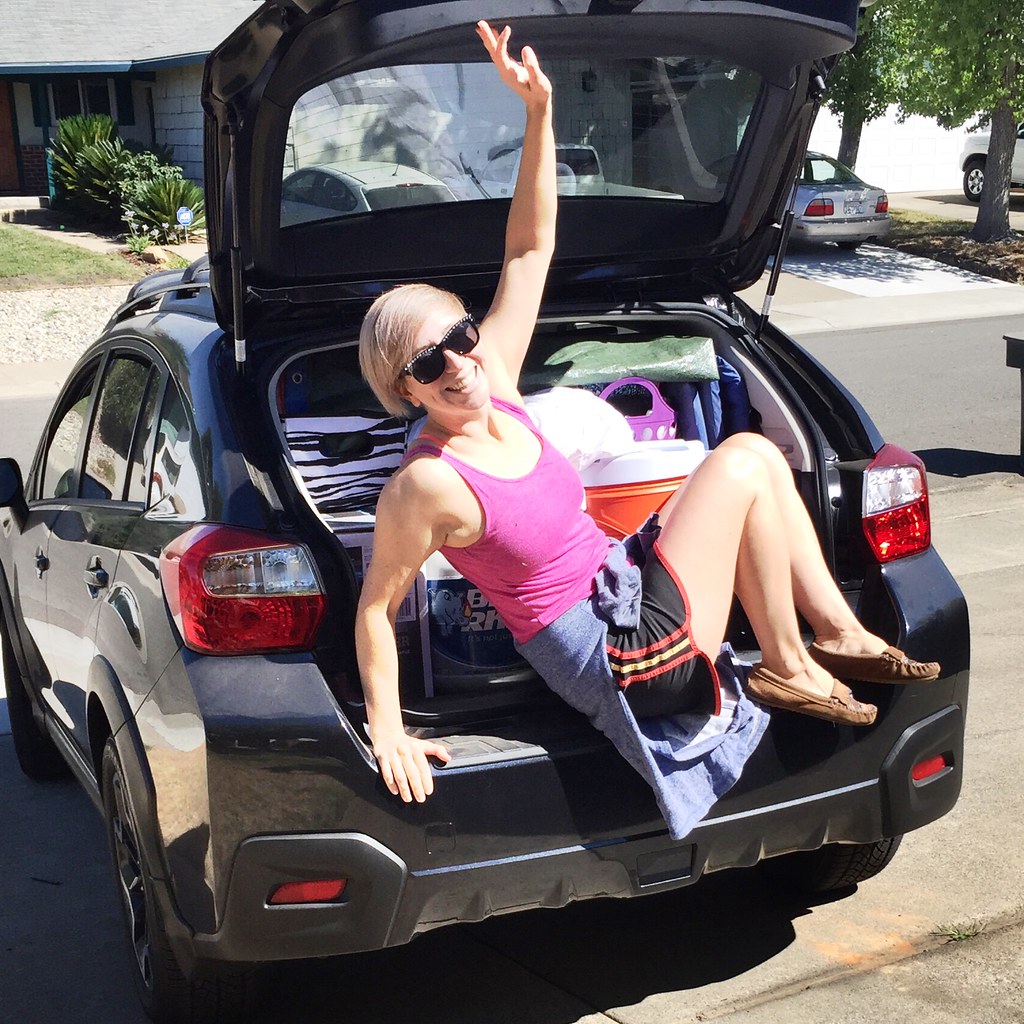
I traded in my company car for a Subaru Crosstrek. My last adventure car was also a Subaru, so choosing this make was a no-brainer. The Crosstrek is like a mini-Outback. It’s described as a compact crossover or mini-ute. I love this car! It holds all my gear for the summer and is capable of getting me to remote campsites.

Lodging


I reserved 17 days of campground stays for my 3-month trip. The Yosemite park limit is 14. The remaining three reservations are in the Stanislaus National Forest. When I don’t have reservations, I find campgrounds with first-come-first-serve sites in and around the park. I’ve also tried dispersed camping - staying on US Forest Service land, outside of campgrounds. (Yes, this is legal! But there is usually no water, no picnic tables, no trash service, and no pit toilet.)

Finally, I have a friend in Bridgeport who lets me crash at his house on occasion.

On the weekends, I head to town for groceries, laundry, showers, electricity, and internet!

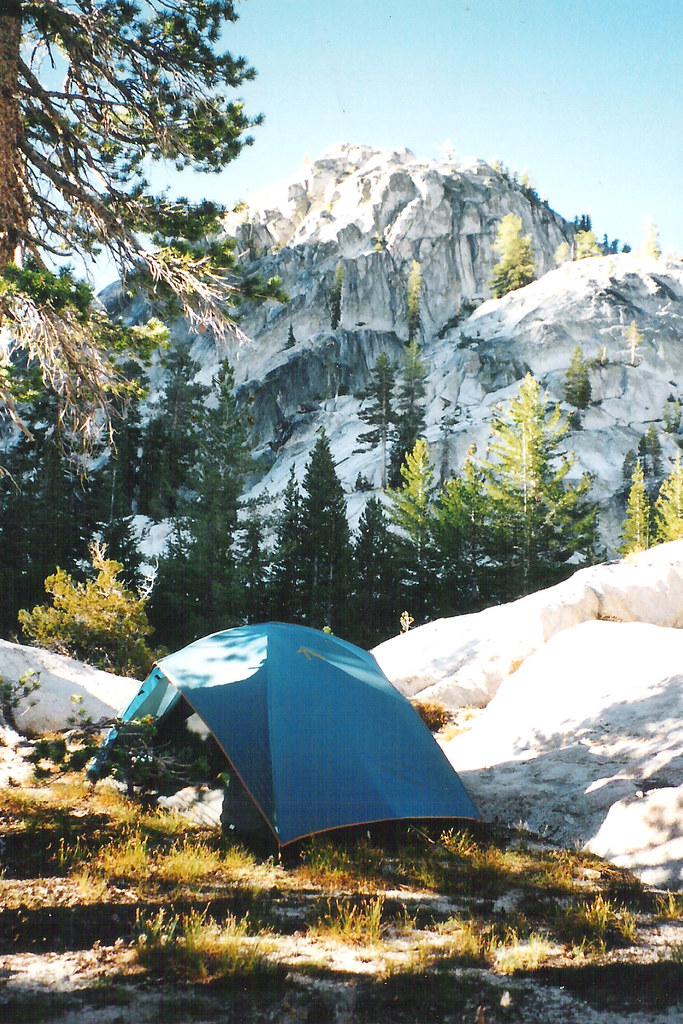
My tent is the Marmot Limelight 2P. It’s a 2 person tent with 43 inches of headroom. If I wanted to take it backbacking, I could, since it weighs just over 5 pounds. But I’m a backpacking wimp.

I’m sleeping on a 22-year-old Therm-a-Rest pad (still going strong) and in a 22-year-old North Face Cat’s Meow bag (needs replacing). Thankfully, I also brought a thick fleece blanket to compensate for the old, compressed fill in the sleeping bag.

Food


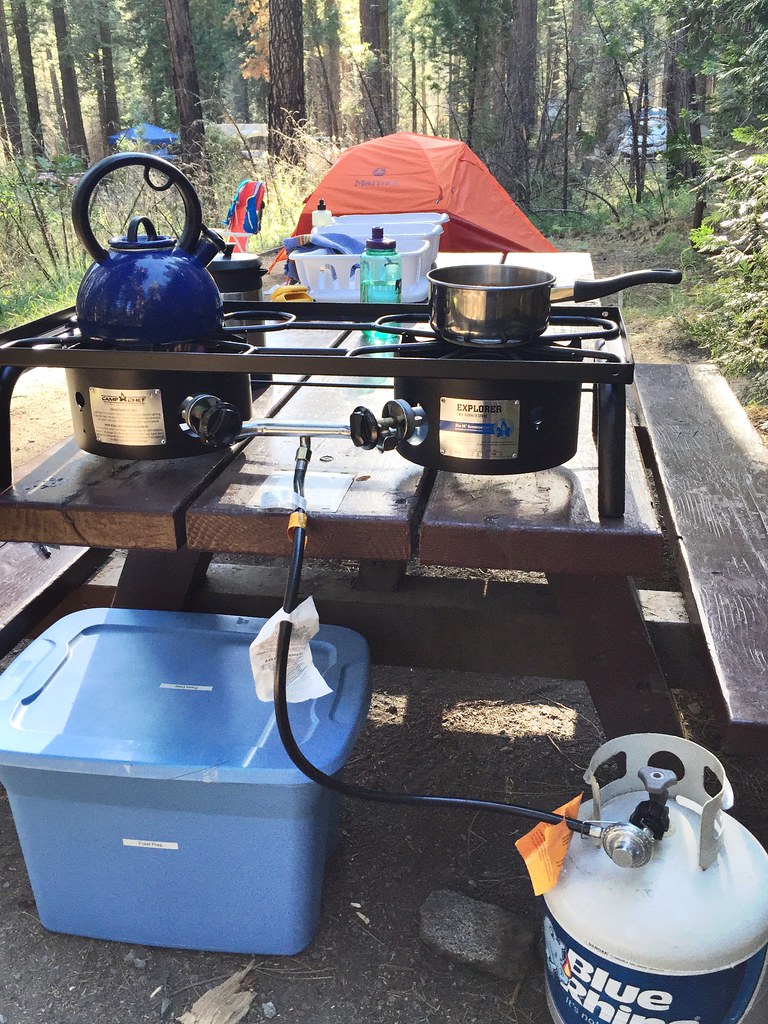
I think I could survive on granola, trail mix, and Larabars all summer, without the need for a stove, if it weren’t for coffee. In fact, I’d give up all the food for coffee. So, I bought a Camp Chef two-burner stove. It’s propane powered and can heat water for my family-size, stainless-steel french press in no time!.

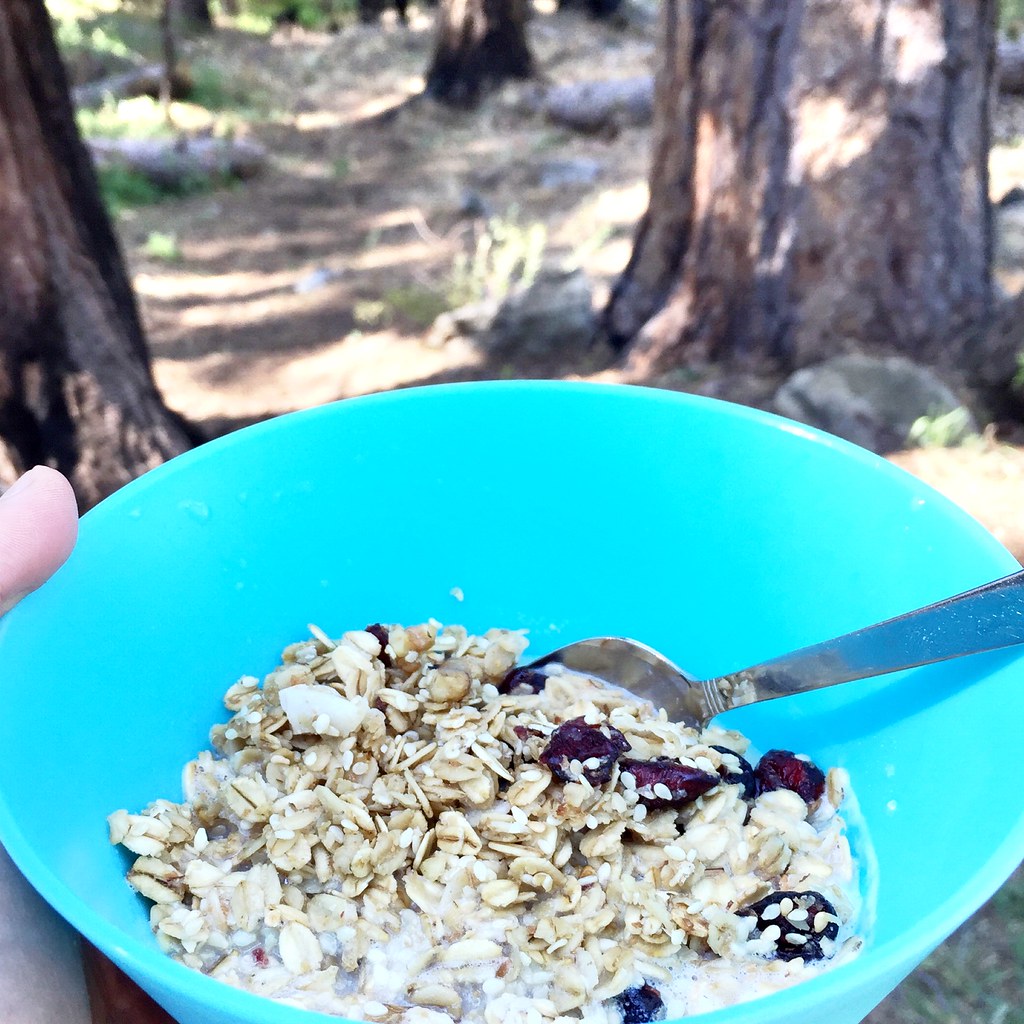
Since I have a stove, I am eating something other than granola, trail mix, and Larabars. I’ve been eating pasta, soup, or burritos for dinner. Lunch is tofu roll ups (that I make in the morning) or crackers with protein (peanut butter or sardines*). I usually throw some fruit and trail mix into my pack for lunch, as well. Breakfast is . . . granola (with hot water and coconut milk powder), a Larabar, and coffee!

Because I’m in bear country, I use the metal food storage lockers provided at the campgrounds. Scented toiletries also must be locked up. In the absence of storage lockers, I lock the food in my car and cover the boxes with a tarp to make them look as uninteresting as possible to a bear. There’s not much I can do about the smell except keep the windows rolled up tight.

Water

I brought a 5 gallon water cooler in case I ran into a primitive campground. I didn’t expect to use it much, but it’s been a lifesaver! I’ve been to a number of sites already with no water. Even when there is a hydrant, I fill up the cooler to cut down on the number of trips I need to make to the spigot each day.

I’ve also had to boil and filter water in the absence of hydrants.

It’s probably no surprise that, in such water scarcity, I’ve only seen flush toilets twice and nary a shower at my campgrounds.

I am now so much more conscious of how much water I use each day. Just doing dishes, washing my hands, cooking, making coffee, and drinking consumes about 4 gallons a day.

It’s no three-month backpacking trip, but the basic business of moving, sleeping, eating, and drinking are a bit different than they were at home. So far, though, the only comforts I miss are fresh produce and showers. I binge on those two things when I’m in town. I’m otherwise perfectly content to live in the woods with my Subi!

Follow along on Instagram @kasmirakit #yosemitechronicles

*I’m reluctantly eating some fish this summer. Without refrigeration, it’s tough to get enough protein on a strictly vegan diet.

Tuesday, July 26, 2016

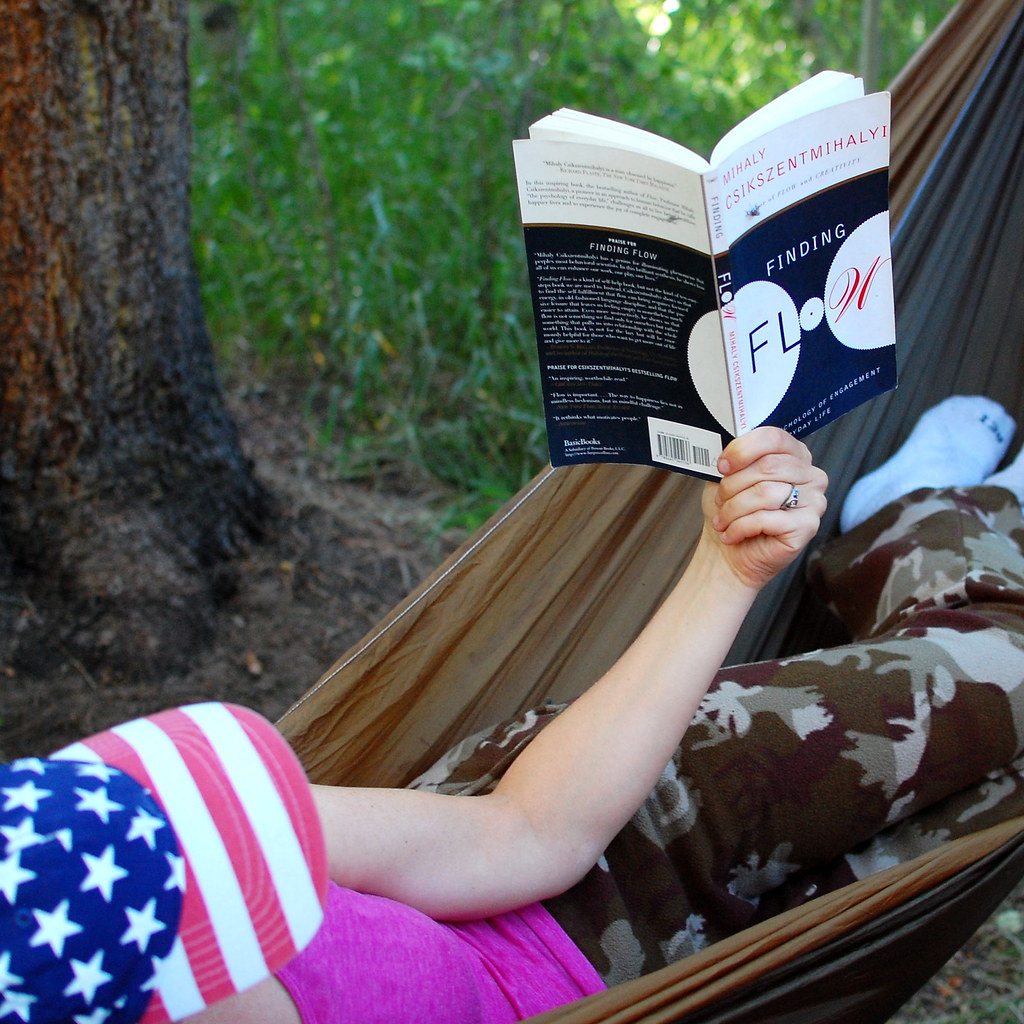
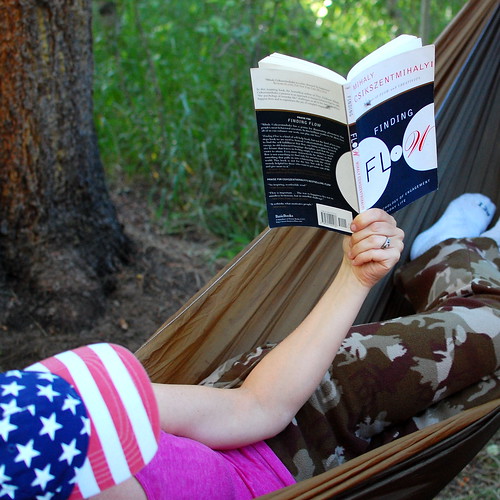
Yosemite Chronicles: I read Finding Flow


Ironically, those that most need to read self help books are the ones least likely to do so. I speak from experience. For nearly the first forty years of my life, I was sure the genre was for neurotic, lonely, losers. When I caught an acquaintance or friend with a self help book, I was ashamed for them. That person must be weak and broken. I was strong and whole. I didn’t need that hokum.

My aversion to the (now called) self improvement genre began to crumble when I started listening to podcasts. As my subscription list grew, I was sneakily introduced to new models of thinking about all aspects of health: physical, mental, emotional, and spiritual. Through others’ stories and advice offered, I became more introspective. I started considering my own emotional reactions from a different point of view. I took a closer look at how my values align with my actions. What is really driving the decisions I make? How can I live a more fulfilling life?

This sort of introspection can be painful. I think that’s why I avoided anything remotely smacking of “self help” for so long. It can be devastating to take a close look at one’s self and realize that one’s foundational beliefs are wrong or harmful. But once you’re over that hump, self improvement is a fascinating and addicting activity. (And it certainly can go too far into the navel-gazing realm. All things in moderation.)

Those that would most benefit from Finding Flow: the psychology of engagement with everyday life have a double hurdle to overcome. First, it’s a self help book. Second, it requires quite a bit of concentration to read this dry book about the value of concentration. If you don’t already have some flow in your life, you’d probably rather watch The Kardashians. But those interested in self improvement who value flow activities (like myself), will have no trouble getting through it.

Highlights of Finding Flow:

Flow is a “sense of effortless action.” “Athletes refer to it as ‘being in the zone,” religious mystics as being in ‘ecstasy,’ artists and musicians as aesthetic rapture.” Flow experiences have common characteristics of high challenge requiring high skill (and thus high concentration).

US teens and adults spend their time as follows:

Productive activities (Total: 24-60%)
20-45% Working or studying
4-15% Talking, eating, daydreaming while at work

Maintenance activities (Total: 20-42%)
8-22% Housework
3-5% Eating
3-6% Grooming
6-9% Transportation

Leisure Activities (Total: 20-43%)
9-13% Media (TV and reading)
4-13% Hobbies, sport, movies, restaurants
4-12% Talking, socializing
3-5% Idling, resting

Beyond the poverty threshold, more money does not equal more happiness.

“The quality of life does not depend on happiness alone, but also on what one does to be happy.”

“Without dreams, without risks, only a semblance of living can be achieved”

We experience flow when engaged in the following activities: working/studying, driving, talking/socializing/sex. We experience the most flow when engaged in hobbies and sports. We experience the least flow when doing housework or watching TV.

I was especially intrigued by the author’s explanation of how talking and socializing are flow activities. Even as an introvert, I find flow (if not energy) in these activities and this has puzzled me. This is because interacting (well) with others requires a high degree of skill and concentration. I have found that the more invested I am in an interaction with someone, the more I enjoy it and the more it becomes a flow activity. I overcome my own introversion by approaching social interactions as a game of skill. (A game in which all participants can win!)

Reading is as low on flow as TV, if the book is unchallenging. The author has a very low opinion of formulaic fiction books like romances and mysteries. Conversely, I don’t think TV watching is necessarily low flow, if one chooses a program that engages the mind and one is completely focused on it.

Active leisure (skilled hobbies) is the historic source of human scientific and artistic accomplishments. Gregory Mendel, Ben Franklin, and Emily Dickinson produced their bodies of work during their free time, before their fields became professionalized. Americans have lost this tradition of active leisure. “To make the best use of free time, one needs to devote as much ingenuity and attention to it as one would to one’s job.”

Regarding work: “In terms of the bottom line of one’s life, it is always a better deal to do something one feels good about than something that may make us materially comfortable but emotionally miserable.”

The biggest flaw in the book, besides the rather dry writing, is that the author doesn’t present a compelling case to find flow. In his research, flow never equalled happiness. It didn’t equal unhappiness, either. He attempts to make a philosophical/moral case for flow in the last chapter, but I wasn’t convinced. In the end, I seek flow in my life for the sake of flow. It gives me a feeling of satisfaction. Personally, I take satisfaction over happiness or heaven any day.

If you’re interested in living a more satisfying, flow-driven life, I recommend giving this book a spin. Chapter eight, The Autotelic Personality, will inspire you to find reward in the experience of all your life activities, including housework, to fill your days with flow. You’ll find a new disdain for TV (although some rest and recovery in life is required, like staring idly at the sky while swinging in one's hammock) and an increased desire for productivity.

Of course, if you think self help is for sissies, just give this one a pass.

Csikszentmihalyi, M. (1997). Finding Flow: the psychology of engagement with everyday life. New York, NY: BasicBooks.
Friday, July 22, 2016

Going Gray & Fuck You

I recently left the Going Gray & Lovin’ It Facebook group. When I first joined, I was excited to find a group of women who support one another’s decision to reveal their gray (and silver and white). Instead, I found that the culture is just as judgemental and narrow-minded as the one that insists women color their grays. Yes, the group supports natural color, but ONLY natural color. Don’t try to “cheat” your way to gray with lowlights or a pixie (but gray extensions are okay). The skunk stripe is the rite of passage. I also found it to be quite oxymoronic that the the members were discouraged from using “deadly” chemicals on their heads, but encouraged to pile on the makeup (also full of chemicals).


I might sound a bit bitter, and I am. I posted a photo of my hair, after applying a blue tint that gave me a lovely gray to blue transition, and, after a few hours of likes and comments, it was removed without notification. It was taken down because I dared to illustrate an alternative to the “grin and bear it” transition that the group advocates. I challenged the status quo with the idea that graying can be fun, as well as empowering. Fuck you, GG&LI!

I’m going gray as a form of personal expression. I’m expressing dissatisfaction with our culture’s obsession with youth. The gray hair bias, and our penchant for all things young, is related to fertility. Men are fertile well beyond their first and 5,000th gray hair. For women, though, gray hairs increase at the same time fertility begins to decrease. It’s ridiculous that in our advanced society, we still tie a woman’s worth to her fertility. Her ability to pop out babies has nothing to do with her potential contribution to art, science, government or business. I doubt large eyes, smooth skin, round bosoms, and curvy hips will ever truly fall from fashion, but there is hope of erasing the stigma of gray hair. I’m joining the ranks of silver sisters who are demonstrating that a woman can be vital, productive, and even beautiful, as her hair turns gray. Colorless hair does not mean a colorless life.

Again, I’m going gray as a form of personal expression. This is my personal expression. I don’t judge you for coloring your hair, if that’s your jam. I don’t judge your skunk stripe, if that’s your badge of honor. I don’t judge you for coloring your 25-year-old head of naturally black hair to an unnatural gray, if that’s on trend. In return, don’t judge me for enhancing my gray with pink or blue or purple. Don’t judge me if I change my mind in six months and return to flaming red. Let’s agree not to judge one another for our coiffure choices. It’s just hair, people! Turn the judgement on the judgers, not one another.

Gray hair does not make you ugly or worthless. It also doesn’t make you an earth goddess. But it can be a statement. What does your hair say about you?

Tuesday, July 19, 2016

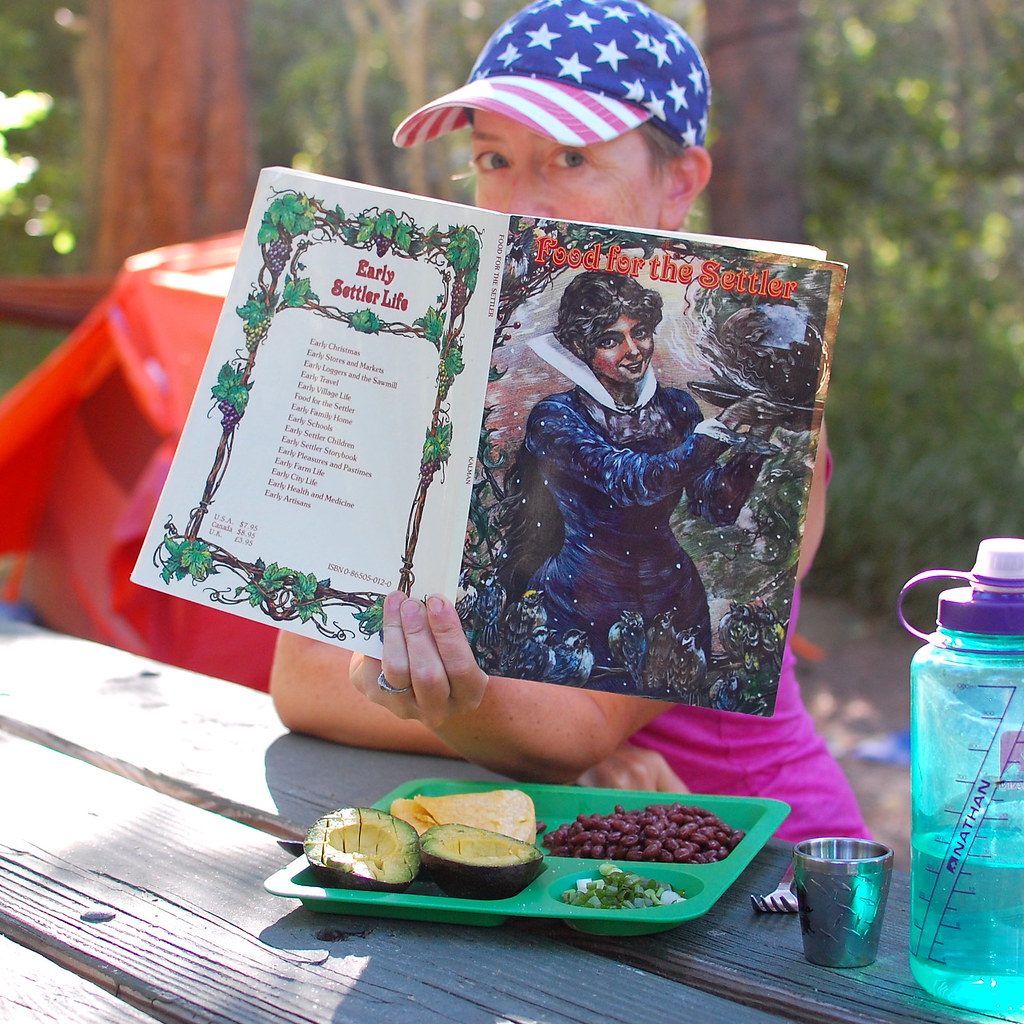
Yosemite Chronicles: I read Food for the Settler


My favorite bits of old-timey stories are descriptions of the meals and medicine. I’m not sure how veracious those descriptions are, but I am ready to believe people drank beer instead of water and starved their fevers. Food for the Settler is a children’s book, so there is no mention of our ancestors' alcoholic tendencies or the more macabre medical procedures. However, I quite enjoyed the descriptions of the settlers’ lives and the recipes.

The book covers every food group (from game to berries to maple syrup), every eating occasion (everyday, “bees,” and holidays), and the tools required (just be glad we have modern kitchens). It includes recipes (adapted to modern ingredients, but, oddly, with all measurements in milliliters) and reproductions of period art (with cheeky commentary).

Some of my favorite tidbits from Food for the Settler:

Children were not allowed to sit at the table! The adults sat and the children stood behind them, holding plates and hoping for scraps. I’m thinking of adopting this tradition next time I have children over for a meal.

Butter was not made by putting cream in a mason jar and passing it from person to person for a shake. (That’s the way we did it in my 4th grade homeroom. Then we spread the butter on Saltines. Delicious.) Okay, I knew old-timey butter was made in a churn, but did you know that the resulting butter is washed with water over and over again until it runs clear? From the pictures in the book, this looks like a huge pain in the ass. Aren’t you glad butter comes in cubes from the store?

The first stoves were very low to accommodate the large cooking vessels settlers already owned for cooking over an open fire. As pots became smaller and lighter, stovetops got higher! I had never even considered that stoves were ever a different height than at present.

I usually read Food for the Settler after dinner, swinging in my hammock, imagining making each of the recipes. As tempting as Stewed Celery with Cream and Bubble and Squeak sound, there is only one recipe that I am seriously considering. Reprinted below, without permission:

Plum Pudding (interestingly, containing no plums)

250 ml light raisins
250 ml dark raisins
500 ml currants
200 ml grated orange and lemon peel
200 ml cooking sherry
250 ml grated carrots
500 ml suet, finely chopped
1.5 L bread crumbs
60 ml flour
300 ml brown sugar
2 ml mace
2 ml nutmeg
5 ml ginger
8 eggs, well beaten


About 4 weeks before Christmas mix the first 4 ingredients together in a bowl. Pour cooking sherry over top of fruit. Let the fruit soak for about 1 week in the sherry. Stir the fruit often during the course of the week. Mix all of the other ingredients together with your fruit. Mix well. Tie the dough into a cloth firmly, but leave enough room for the mixture to swell. Boil it in the cloth for at least 5 hours. Do not let it stop boiling. Store the pudding at least 3 weeks in a cool, dry place to develop full flavor. On Christmas day, steam pudding 30-45 minutes. Serve with hard sauce.

I’m not sure where I’ll find suet or if this recipe will be totally disgusting, but I’m intrigued.

Food for the Settler didn’t give me many ideas for my meals this summer, but it gave me a new appreciation for store-bought food and my camp stove.

As for those old-timey medicines, Bobbie Kalman also wrote Early Health and Medicine (available on Amazon)!

Kalman, B. (1989). Food for the Settler. New York, NY: Crabtree Publishing Company.

Friday, July 15, 2016

Yosemite Chronicles: High Protein Crunchy Granola

HIGH PROTEIN CRUNCHY GRANOLA

For a guided Ecuador expedition in 1995, we were instructed to prepare a batch of this granola. According to our trip leader, it would “make up one third of our morning meals.” In actuality, I lost track of how many breakfasts, snacks, and lunches were simply handfuls of granola.

Lest we neglected to add the expensive extras (raisins and walnuts), we were advised that those who added a little extra love to their granola were “able, towards the end of the trip, to exchange [their granola] for back-rubs with . . . raisinless/walnuttless members, some of whom engaged in morning granola fights.”

I made a double batch for my Yosemite trip. Since I would have no one with whom to exchange backrubs (or engage in morning granola fights), I permanently added (c)raisins and walnuts to the recipe. I also added salt, since it’s my favorite food. I subbed coconut milk powder for instant dry milk. Finally, I was out of vanilla extract, so I used almond. The modified recipe is as follows:

Preheat your oven to 400 degrees F.

In a large baking pan, or Dutch oven, toast in oven until nicely browned:

8 cups rolled oats

Shake this mixture every few minutes; watch that it does not burn.

When oats are a nice toasty brown color, add:

1 C wheat germ
1 ¼ C sesame seeds
⅓ C coconut milk powder
1 C coconut flakes
2 t salt
1 ½ C sweetened, dried cranberries
1 ½ C chopped walnuts


Toast complete mixture for about five minutes.

Stir in:

½ C vegetable oil
1 C honey
1 T almond extract


Toast for five more minutes.

Remove from heat and store in loosely covered container.

Makes approximately 4.5 pounds granola.

Will I want to throw it at my campground neighbors before I’ve eaten it all? I’ll keep you posted.

Thanks to Doug Stufflebeam (RIP) for the recipe.

Follow along on Instagram @kasmirakit #yosemitechronicles

Friday, July 08, 2016

Yosemite Chronicles: A 5 Year Dream Come True

I was sorting through some old files when I found a goal list I had done in a training course almost four years ago. We were asked to write down goals for the next 1 year, 5 years, and 20 years. My 1 year goal was to train a dog to run with me. Done!


My 5 year goal was to spend a summer in Yosemite and write a book. That happened to be the very reason I was sorting through the files. I was throwing away old paperwork as I prepared to quit my job and make that 5 year goal a reality. My last day was June 30th.

The hairbrained idea predates that goal setting session. I was still sitting in an office in Cincinnati when I decided I needed another summer in Yosemite. Yes, “another.” I lived in and worked in Yosemite for the summer of 1996. I stayed in a tent cabin in Tuolomne Meadows and hiked miles each day to our research plots for three biological studies. When I drove back to the Sierra Nevada in 1998 for another summer job, I pulled over at the first Jeffrey Pine, wrapped my arms around it, inhaled the scent of its sun-warmed bark, and thought, “I’m home.” I sniffed trees all summer long in the forests around the park. Yosemite is my favorite place in the world.


Back in Cincinnati, I estimated the costs of a three-month sabbatical in Yosemite and started saving. My savings were repeatedly thwarted by spur of the moment trips and Forever 21 binges. I was starting to feel very frustrated when my Great Grandmother died and left me the exact amount I had budgeted for the trip.

But I couldn’t seem to get the time off approved. Despite a policy that allows employees 3-month, unpaid, leaves of absence, the timing was never right. I had originally planned to do my Yosemite summer before I turned forty, but forty had come. After being denied my sabbatical, again, this year, I made the decision to leave my job to make my dream come true.


I have the means, the time, the support, and the will to achieve my 5 year goal of living in Yosemite for the summer and writing a book. I'm so excited for this adventure!

Are you curious about my 20 year goal? It is to live in another country for a year. I bet I can make that one happen, too.

Follow along on Instagram @kasmirakit #yosemitechronicles

Friday, July 01, 2016

Yosemite Chronicles: So Long, Farewell . . .

I quit my job and moved to Yosemite!

Regularly scheduled outfits should resume in October.

Until then, I’ll be wearing nothing at all! Okay, I’ll be wearing athletic gear, but when I swim it will be in nothing at all.

I have some content planned for this summer: updates on my trip and musings on fashion, beauty and aging. Beefy may snap an outfit or two when we meet up for a weekend.

My instagram will be active, depending on cell reception. Follow along @kasmirakit #yosemitechronicles

Thursday, June 30, 2016

Last Day

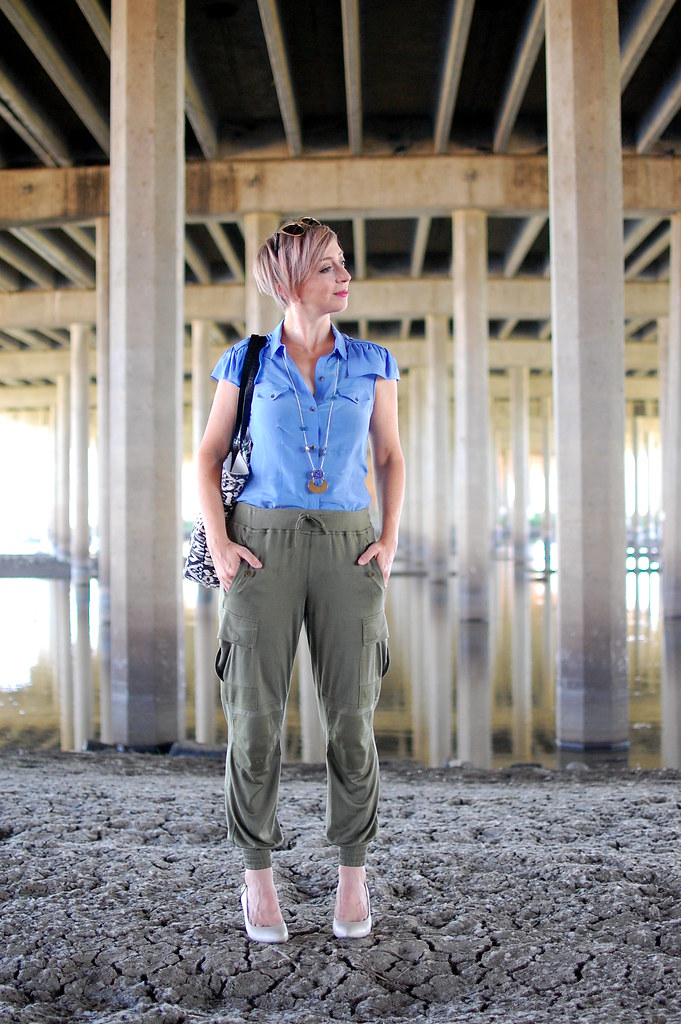
This is my last day of work. As of tomorrow, I’ll be unemployed!


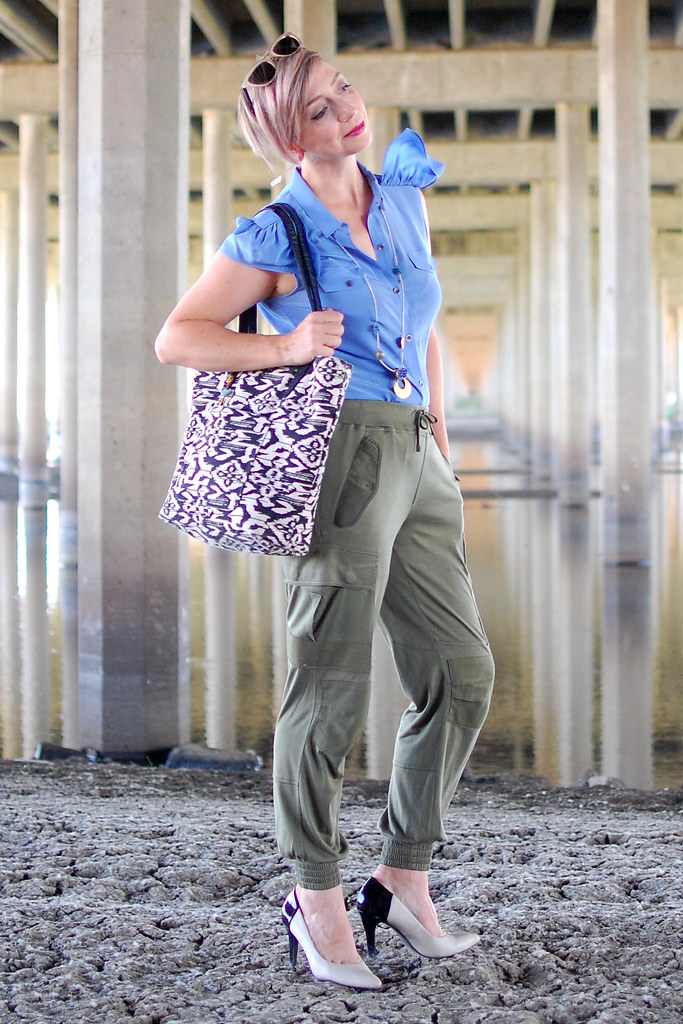
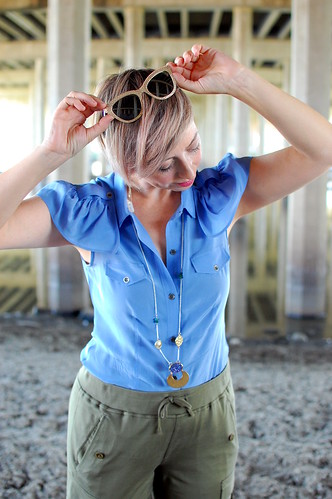
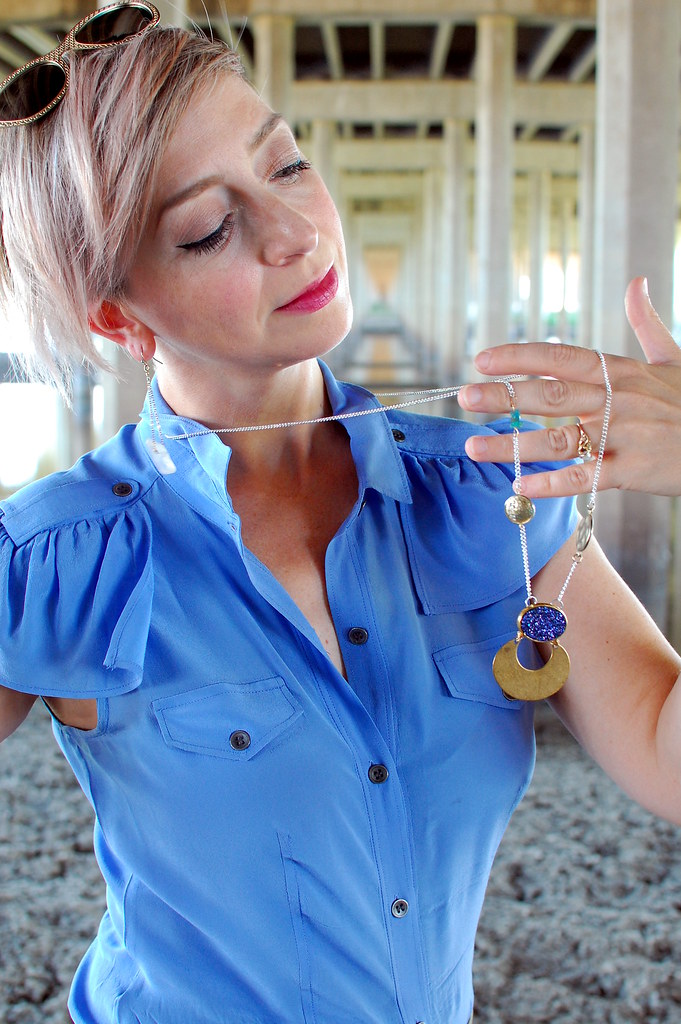
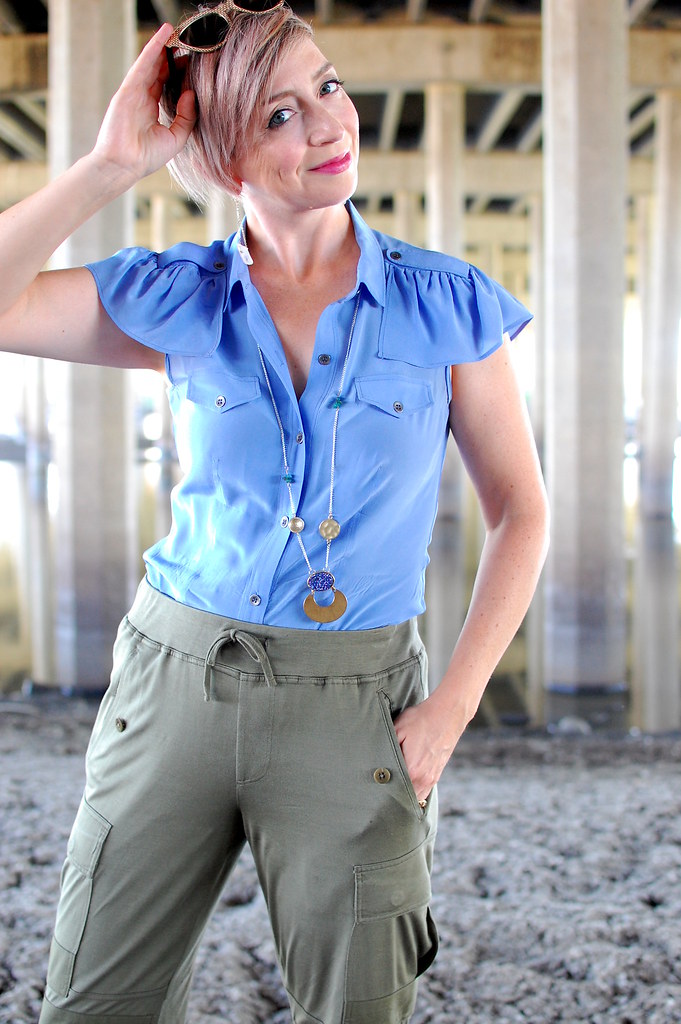
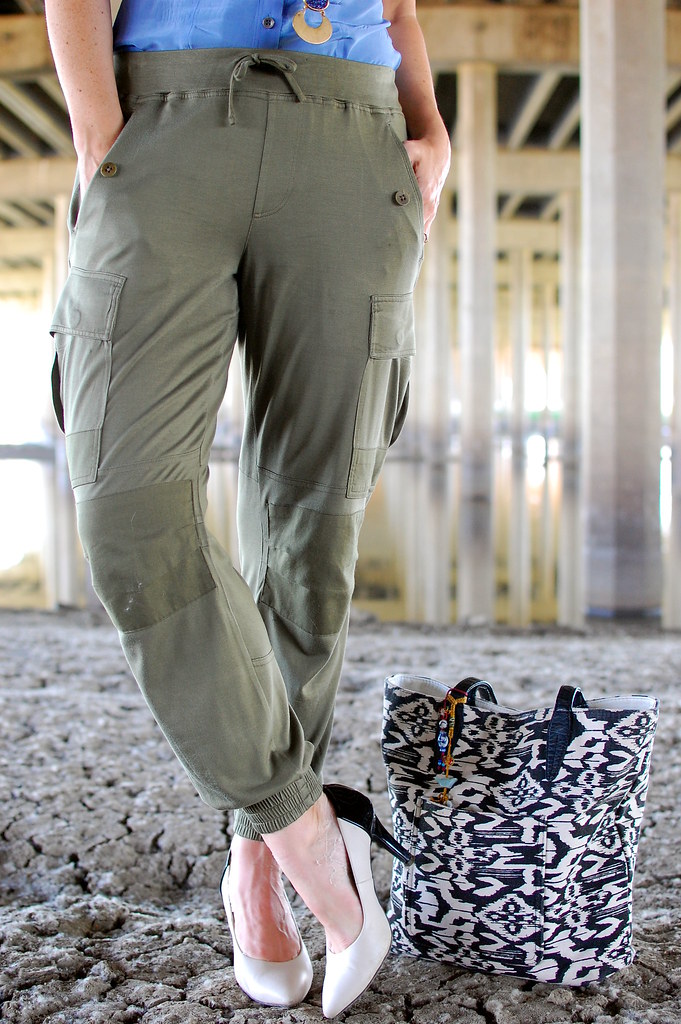
Blouse, Maeve (consignment). Pants, Polo Ralph Lauren. Shoes, Seychelles. Sunglasses, Marc Jacobs. Earrings, Francesca’s Closet. Necklace, handmade gift. Bag, Nordstrom Rack.


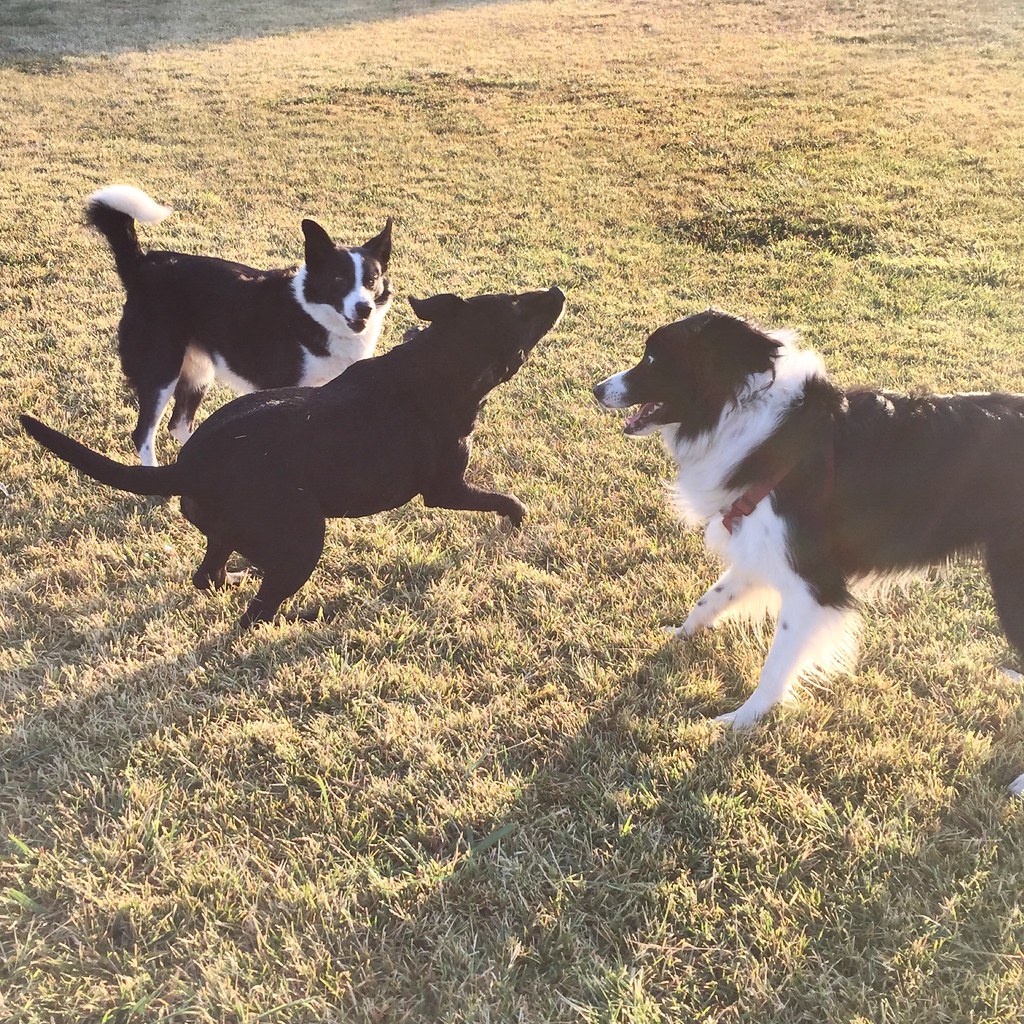
Stay tuned for my plans for the next few months. I’ll give you a clue: it has nothing to do with dogs. (Sad face.)


Oh, and one more clue: I'm not going full-time blogger.

Wednesday, June 29, 2016

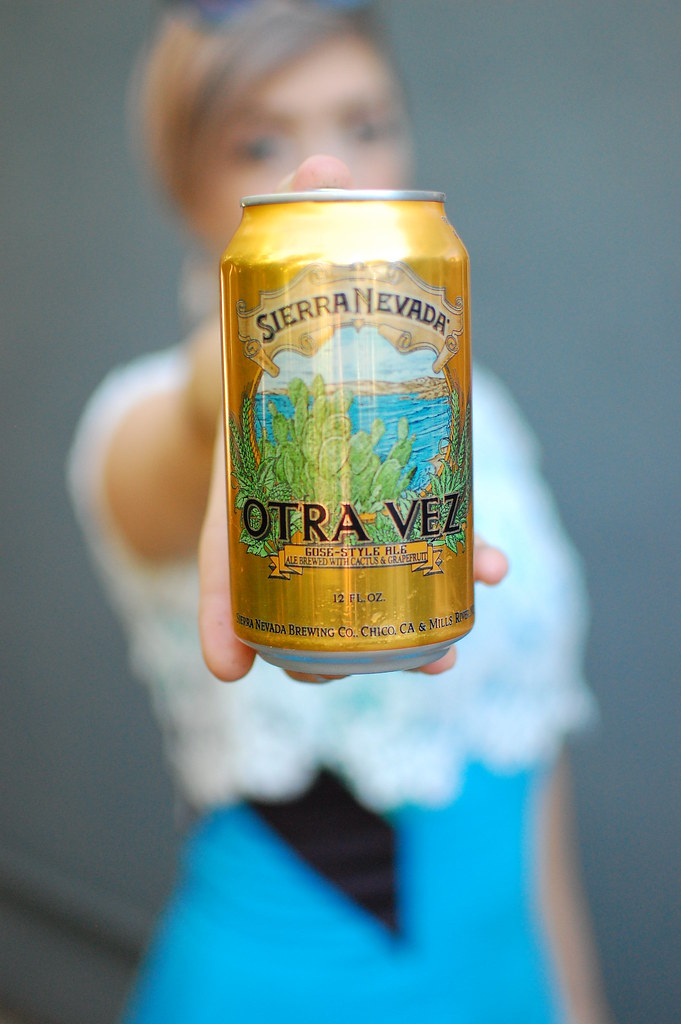
Otra Vez

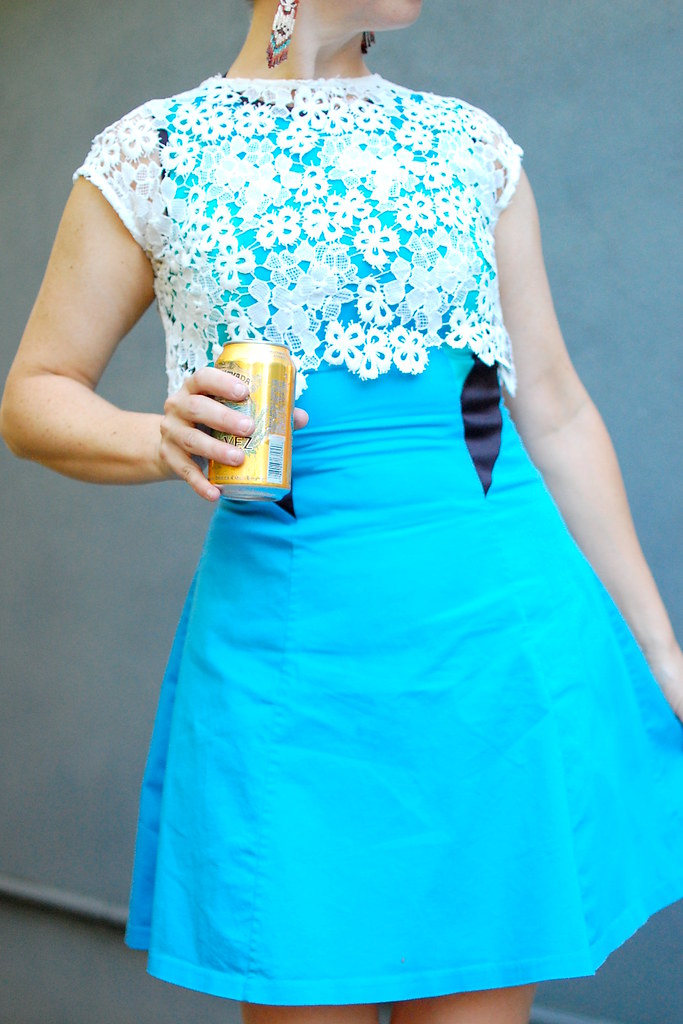
Have I complained about the heat, lately? It totally sucks. But a cold can of sour beer makes it suck less.
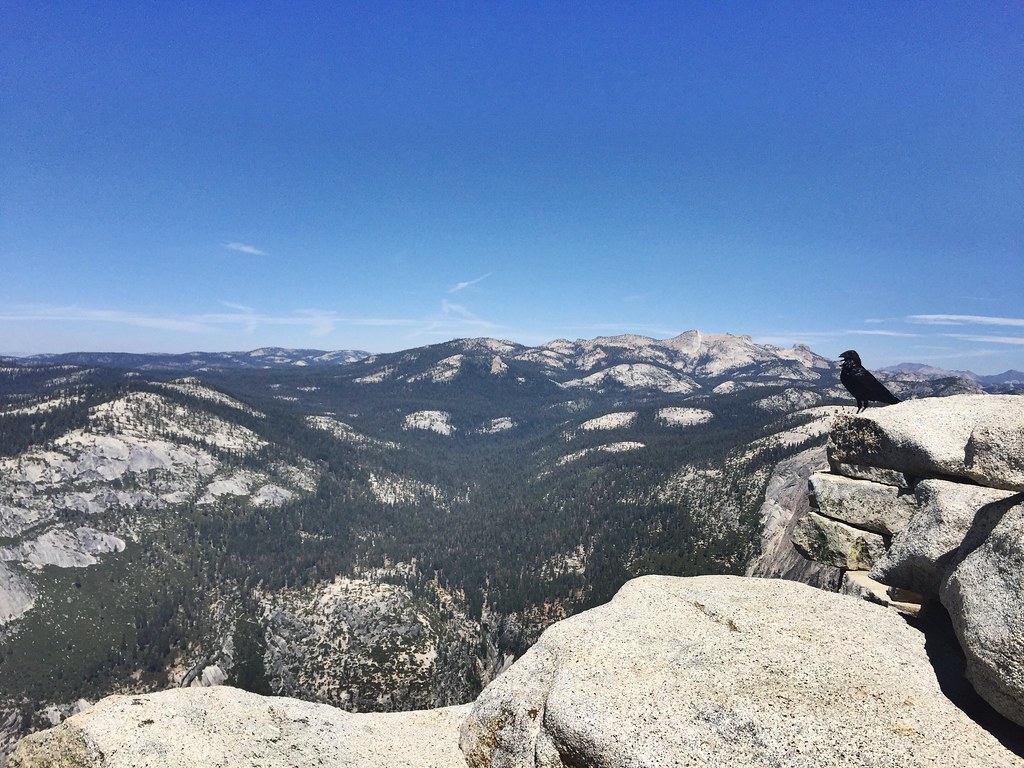

Lace top, Gracia. Dress, Prabal Gurung for Target. Shoes, vintage and thrifted. Sunglasses, Toms. Earrings, street fair.